Winter in Winnipeg is not a season so much as a sport. If you plan to thrive rather than merely survive, a hot tub becomes less of a luxury and more of a strategy. When the wind turns your driveway into a skating rink and the sky goes dark before dinner, soaking at 40 degrees Celsius under a lid of steam resets your mood and your back muscles. Still, not every spa can hack a January night at minus 30. If you are browsing hot tubs for sale and tempted by slick photos and summer pricing, pump the brakes. The right Winnipeg hot tub is built like a house: tight envelope, dependable heat, and clever ways to keep your bills and maintenance in check.
I have installed, winterized, and serviced tubs around the city and up the Perimeter, from Saint Vital to Stony Mountain. Some fail early for predictable reasons. Some just march through winter after winter with minimal fuss. Here is how to tell them apart, along with specific winter-ready models and features worth paying for.
What Winnipeg winters do to a poorly built tub
Cold air is relentless. It strips heat through the cabinet, the base, the cover seam, and every bit of plumbing. A tub that holds set temperature in October can lose three degrees an hour in February with a breeze and a mediocre cover. When that happens, your heater cycles constantly, your electrical panel gets a workout, and your hydro bill turns awkward. Worse, any plumbing close to the cabinet wall can chill, contract, and start a micro-leak that only shows up when you notice damp foam in April.
The lesson isn’t to overspend on flashy jets or speakers, but to prioritize the thermal envelope and serviceability. You want heat that stays in the water, pumps that stay warm in the equipment bay, and insulation that does not punish a simple repair.
The winter-ready checklist Winnipeg buyers should use
Think of a tub like a small house that holds water and people instead of furniture. The envelope matters more than the décor, and the foundation matters more than the window dressings. I look for a particular combination of build details when someone asks for a model that can laugh at -30.
- Full-foam insulation that contacts the shell, not just a skirt of stuffing around the cabinet. The foam adds structure, supports plumbing, and prevents convective heat loss. Partial foam or a single reflective blanket is not enough for Winnipeg. If a brand uses a removable panel system for “thermal lock” style insulation, confirm the R-value in the cabinet cavity and whether the equipment bay is isolated from the wind. A rigid, well-sealed cover with a continuous hinge seal and at least 4 to 5 inches of core taper. Cheap covers absorb water in a year or two, doubling their weight and halving their R-value. Look for marine-grade vinyl with UV inhibitors, dense foam cores, and double stitching where you grip. A freeze-protection control strategy that circulates water when sensors see single-digit temperatures. In practice, that means intelligent programming, not just a heater that kicks on. If the tub will sit in economy mode for stretches, you need confidence the pumps will move water through every line in a cold snap. Service-friendly design. Full-foam tubs are efficient, but you still want access points that let a tech locate and repair leaks without gutting the cabinet. Brands that map plumbing and segment foam in expected service areas save hours if you ever need a fix. A base pan that actually insulates. A flimsy plywood base wicks cold and moisture. Look for a molded ABS or fiberglass-reinforced base that seals out snowmelt and wind, and insulates against ground chill.
This shortlist filters a lot of “good deal” listings. If a salesperson cannot answer pointed questions about foam depth, base construction, or cover spec, find a different hot tubs store near me and try again.
Power, placement, and the Winnipeg-specific install details
A tub that keeps up with the weather uses the right power supply and lives in the right microclimate on your lot. On paper, almost any spa will run at 120 volts with a plug, but that’s not the way to win a Winnipeg winter. At 15 amps, your heater throttles whenever the pump or blower runs, which means temperature slides while you are soaking. A 240-volt, 40- to 60-amp hardwired setup lets the heater and primary pump work together, so the water stays hot even during a long soak on a cold night. Expect an electrician to run a GFCI-protected line from your panel, often 6-gauge copper for 50 amps, mounted in a weatherproof disconnect within sight of the spa.

As for placement, tuck the tub in the lee of the house or a garage wall. Wind steals heat faster than you think. A three-sided privacy screen can cut convective losses and reduce snow load on the steps. If your yard drifts, raise the tub on patio slabs or a concrete pad so the base doesn’t sit in a spring melt. Keep 18 to 24 inches of clearance for service on the equipment side, and a shovel-width path for winter access. Add a motion light near the cover lifter so you are not fumbling with zippers in the dark.
Cover lifters, steps, and the small accessories that matter in February
You can live without a stereo. You will bless a good cover lifter every single week. A gas-assisted lifter that swings the cover upright doubles as a windbreak and keeps the cover off the snow. If you buy an undermount lifter, confirm it has anti-rotation hardware so wet snow doesn’t twist the frame. For steps, pick a model with wide treads and open risers, ideally composite with grit, since ice will form no matter how careful you are.
Water care becomes trickier in winter because you do not want to drain at -20. Ozonators and low-output UV systems help stretch water life by oxidizing organics so you need less sanitizer. Enzyme additives can keep scum lines down. The trick is to tune your routine in October so you can go 3 to 4 months between drains. That usually means balancing alkalinity near 80 to 100 ppm, calcium hardness near 150 to 250 ppm depending on your source water, and keeping free chlorine in the 3 to 5 ppm range for heavy use. Bromine works fine in the cold too, but it is slower to recover after a party. Whichever you choose, stock winter-safe test strips and a good scoop net. You will not want to take your gloves off for a lengthy titration.
Model categories that consistently perform in a prairie winter
No single brand owns winter. What matters are the details. That said, certain model families have a track record in the city and the lake country cottages that see harsher wind than most urban backyards. When you walk into a Winnipeg Hot Tubs showroom, use these categories to narrow the floor.
Compact, energy-focused two to three seaters: These tubs often run a single two-speed pump with modest jet counts, which sounds boring until you step into one in January and notice the water never cools. With less plumbing and a smaller water volume, they heat quickly and hold temp efficiently. Look for 200 to 300 gallons, full-foam construction, and a 240-volt heater in the 4 to 5.5 kW range. The best versions add a small circulation pump that runs quietly and keeps filters and heaters happy.
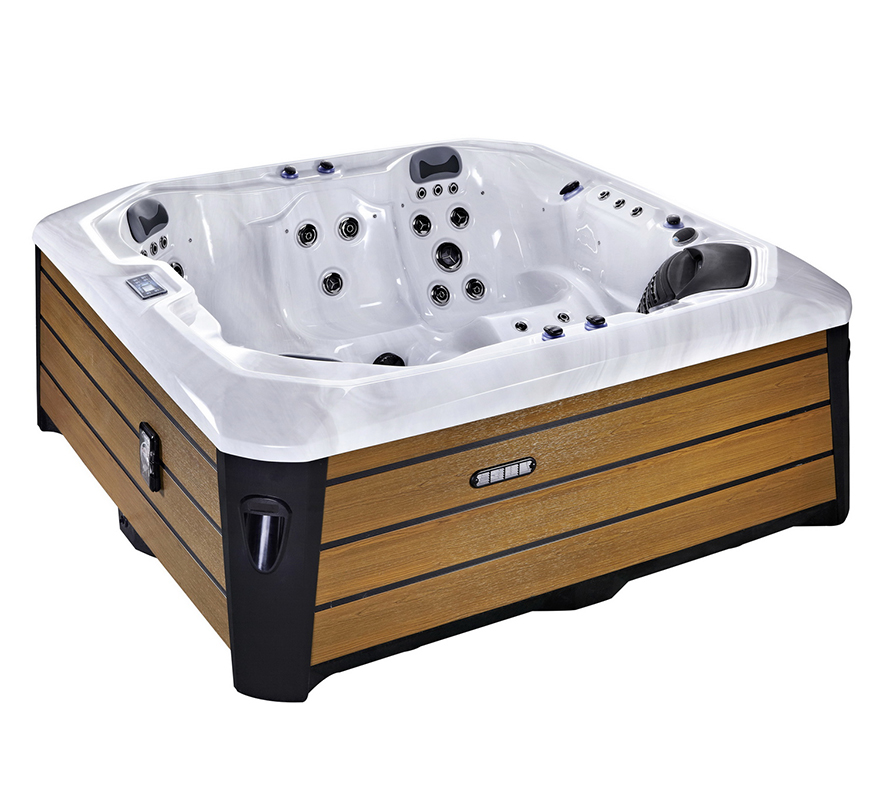
Family-sized four to six seaters with one lounge: This is the sweet spot for most Winnipeg buyers who want room for a couple plus kids or guests. The lounge lets you sink low, which keeps shoulders out of the wind. You want two pumps so you can split jet zones without starving the heater, plus a circ pump for 24-hour filtration. Good tubs in this category pair a 5.5 kW heater with insulation that keeps the equipment bay warm using waste heat from the pumps.
Eight-foot party tubs: I rarely recommend the biggest footprint unless you host often or have teens who turn up with half a hockey line. The water volume jumps, and with it, your energy use and chemical dose. That said, a well-insulated large tub still behaves in winter if the cover seals tightly and the cabinet is truly airtight except for planned vents. If you go big, buy the best cover offered and a lifter that handles the weight.
Swim-spa hybrids: They are impressive, but the physics is brutal when the spa section shares a body with a cooler swim lane. The Winnipeg buyers who love them tend to install in a sheltered courtyard, bump the insulation package to the maximum, and accept higher winter operating costs. If you see a “great deal” on a swim spa and plan to use it outdoors in January, budget for a high-efficiency cover system and custom wind screens.
How to separate a solid spa from a pretty one at the store
A showroom makes everything look good. You need a few tactile checks that cut through glossy acrylic and LED lighting. Pop an access panel. Is the foam dense and bonded to the shell? Can you feel cold air drafting into the bay from cabinet seams? Does the base pan seal to the cabinet or can you slide a hand where wind and critters might enter? Inspect the cover seam and hinge: is there a continuous heat seal, or can you see daylight through the center fold? Lift the cover: a good core feels light and rigid, not spongy.
Ask about insulation R-value and where it is measured. Some brands tout a big number based on just the cover. You care about the cabinet and base. Then ask the sales rep to show you a schematic of the plumbing. If they can point to isolated zones and service access, that’s a brand that thought about repairs. If the answer is vague hand-waving and “our foam is the best,” keep your wallet in your pocket.
Real-world running costs in a deep freeze
Assume a well-insulated, mid-sized tub, 240-volt hardwire, kept at 39 to 40 degrees Celsius, with a modern circulation pump. In shoulder seasons, expect roughly 20 to 40 dollars a month in electricity. In late December through February when the average daytime high can sit below minus 10 with wind, that number can climb to 50 to 90 dollars, sometimes over 100 if your cover is tired or you host long soaks nightly. A fresh cover and wind shelter pay themselves back inside two winters. Chemical costs depend on habits, but for steady use plan on 15 to 30 dollars a month, plus a filter replacement two to three times a year.
For those tempted to drop the set temperature when not in use, be careful. Dropping five degrees might save a few bucks if you stay out for several days, but constant yo-yoing means longer heater cycles and more condensation in the cabinet. A better approach is to hold steady and use economy filtration cycles if your controller allows it.
The cold-start problem and how to avoid it
If your tub trips a breaker during a storm or you shut it down for a holiday, the first Article source restart in subzero weather is the most vulnerable moment. Plumbing lines full of cold water and an ice-cold shell are hard on gaskets and pumps. I tell owners to restart in stages: close the air controls, open all diverters to mid position, start the circulation and heat first, then add jet pumps briefly in intervals so water moves through every line. If the tub is dead-frozen and you cannot keep the equipment bay warm, do not power it. Use a space heater at a safe distance to warm the bay gently for a few hours, then restart. If you see an error like “FLO” that won’t clear, call service rather than risking a dry-fired heater.
Water chemistry in the cold for people who dislike chemistry
Cold air dries skin. Hot water strips oils. Add sanitizer and you get itchy January elbows unless you manage pH and calcium. Winnipeg water tends to be moderately hard, but it varies by neighborhood and whether you are on city supply or a well near the perimeter. Start with pH around 7.4 to 7.6 and alkalinity near 90 ppm so the pH does not drift every day. Aim calcium in the 150 to 250 ppm band to protect your heater and pumps without leaving scale on the shell. Shock gently and often rather than one massive blast after a party. A teaspoon per bather of non-chlorine shock after a soak keeps the water sweet and avoids the bleach smell that scares guests.
One winter trick: buy a second filter set. Swap weekly, rinse the dirty one in the laundry sink with warm water, then let it dry completely. Alternating filters prevents a January morning where you are out in the cold hosing a single clogged cartridge with numb fingers.
When a bargain is not a bargain
Private listings and clearance models tempt buyers every fall. Some are fine. Many are false economy. If a tub is missing its original high-density cover, budget to replace it in the first year. If it sat drained outside over a winter, assume you will chase a leak once it warms and the plumbing expands. If the brand no longer has a local dealer, parts can be a scavenger hunt. Pumps and heaters are generic, but control boards and topsides are not. A model with an orphaned control system can turn into a retrofit project that costs more than the tub.
The sweet spot for value is often a dealer’s previous-year floor model with full warranty. You skip the wait time, get a known-good cabinet that hasn’t seen freeze-thaw cycles, and keep service support. When you search for “hot tubs for sale” in the city, filter for dealers that stock parts and employ their own techs. That’s the difference between a 48-hour fix and emails into the void.
How to buy smarter from a Winnipeg Hot Tubs showroom
Visit two or three dealers so you can compare insulation stories and feel the cabinet builds. Ask for a written spec sheet that includes insulation type, heater wattage, shell thickness, base construction, and cover rating. Sit in dry. If the seats force your shoulders above the rim, picture that same posture at minus 20. If lounges float you because of buoyancy, you will fight it when jets are on. A good fit in a showroom translates to a blissful soak in February. Ask about lead times for parts and service calls, because early-season storms can stack schedules.
Most reputable dealers will handle the electronics permit and coordinate with your electrician. They will also walk you through winter programming. Use that time. Learn the difference between standard, economy, and sleep modes. Ask where the freeze sensors live and what error codes look like on your topside display. Nobody wants to open the cover on a cold night and play menu roulette while steam blasts their glasses.
A few winter-ready models and configurations worth shortlisting
Every year brings new names and shuffled feature sets, so rather than pin to a single brand, focus on the configuration and build traits that translate to Winnipeg. You will find these under different badges, but the guts look similar when you pop the panel.
- Mid-size 5 to 6 seaters with dual pumps, a 24-hour circulation pump, and full-foam shell contact. Pair with a 5.5 kW heater and a 4- to 5-inch tapered high-density cover. These hold temperature with a family soaking for 45 minutes, even when the deck is squeaking cold. Compact 3 seaters with a deep therapy seat, one two-speed pump, and a circ pump. These are sneaky-good for couples and cost-conscious owners. Low water volume, tight insulation, and simple plumbing keep hydro bills tame. Models offering a winter package upgrade: thicker cover, insulated ABS base, and cabinet seam gaskets. The small surcharge beats DIY fixes later. Tubs with mapped plumbing and service cavities in the foam. They allow surgical leak fixes instead of foam excavation. If the salesperson can show you the service map, you will thank them in five years. Systems with proven freeze-protection logic that circulates both primary and secondary pump lines during hard freezes. If the controller only fires the heater without moving water, keep looking.
Maintenance cadence that suits our latitude
Set a calendar reminder for steps you will forget in the cheerful fog of a hot soak. Drain and refill in October, then again in late February or March when the thaw makes a hose reasonable. Replace the cover straps if stitching shows white fibers. Lubricate the cover lifter pivots once a season. Check the GFCI test function monthly, even in winter, because electrical safety does not hibernate. If snow loads near the tub, shovel away from the base so spring melt does not pool under the cabinet. If you travel, ask a neighbor to open the cover once a week and check the display. A minute of peeking can prevent a frozen block of grief.
The intangible piece: why a winter-ready tub is worth it here
I keep seeing the same scene each January. A cranky spouse with a sore back eases into the corner therapy seat, the jets start, and the steam carries the week away. Sounds dramatic, but anyone who has shoveled a driveway twice in one day knows the relief that follows. A well-chosen tub becomes a ritual rather than a chore. You come to trust it. The heater keeps up, the cover lifts easily, the steps do not ice over as badly in the wind shadow, and the controls do what you expect.
If you are scanning Winnipeg Hot Tubs listings or typing “hot tubs store near me” to find a showroom, use the cold as your coach. Buy the shell and the insulation first, the cover and lifter second, and the sparkle lights and fountains last. Pick the model that treats January like a training ground, not a surprise. Then put it where the wind dies, wire it to run without compromise, and learn its rhythms. Winter will still bite, but you will have a warm place to tell it no.